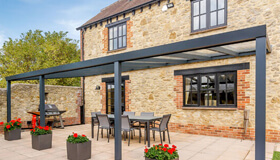
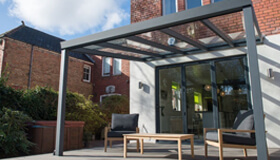
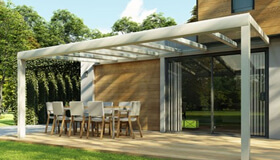
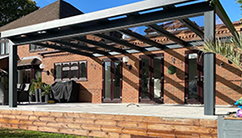
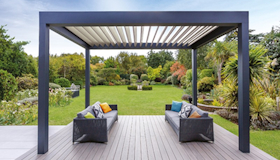
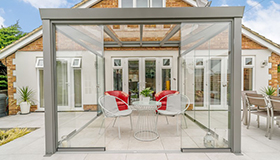
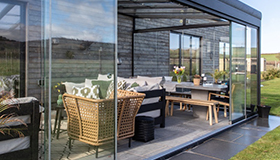
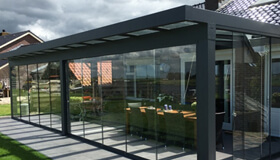
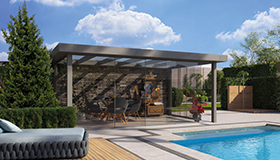
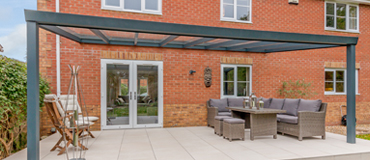
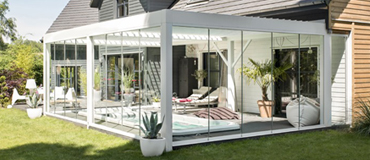
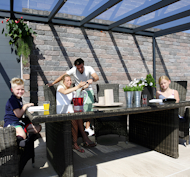
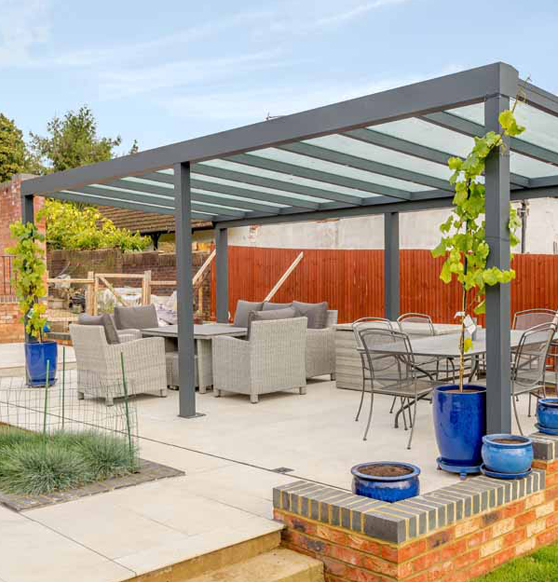
If you’re investing in a veranda, you’re not thinking about five years down the line — you’re thinking decades. You want something that will stand firm through British winters, surprise heatwaves, sideways rain, and everything in between.
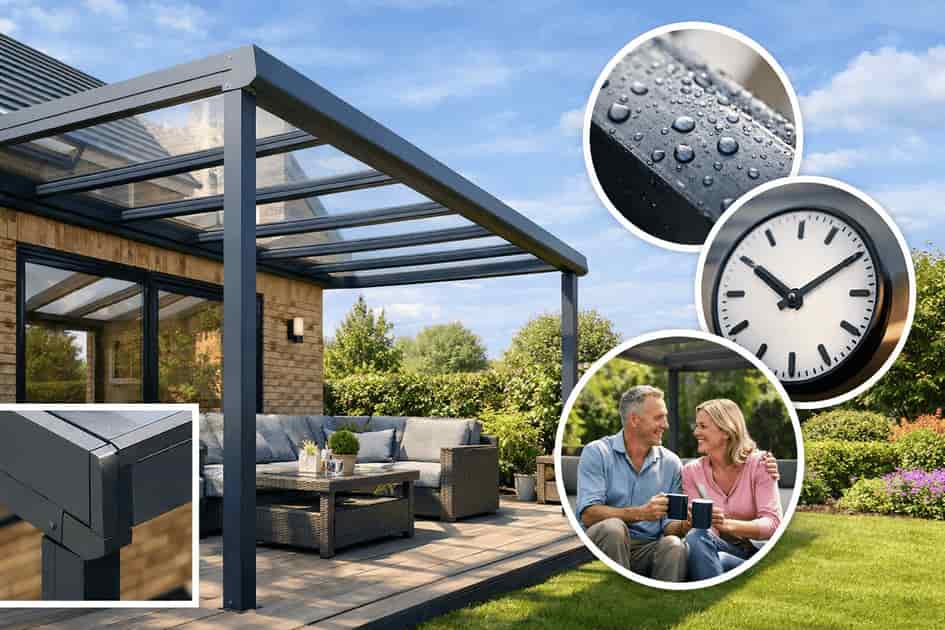
One of the most common questions we hear from homeowners exploring aluminium verandas is simple: How long do they actually last?
The short answer? A very long time.
The more useful answer? It depends on design, materials, installation, and maintenance — and that’s exactly what we’re going to unpack here.
Why Aluminium Has Become the Go-To Material
Ten years ago, timber dominated the veranda conversation. Steel had its place too. But today, aluminium leads the way in modern outdoor verandas — and not by accident.
Aluminium offers a rare combination:
- High structural strength
- Natural corrosion resistance
- Minimal maintenance requirements
- Sleek, contemporary design appeal
Unlike timber, it won’t rot, warp, or split. Unlike steel, it won’t rust when coatings fail. And unlike cheaper composite materials, it won’t degrade quickly under UV exposure.
For homeowners across the UK — particularly in coastal or high-moisture areas — that matters more than ever.
So, How Long Do Aluminium Verandas Really Last?
A professionally manufactured and installed aluminium veranda can last 30 to 50 years or more.
In many cases, the structure itself will outlast the property’s current ownership.
Here’s why.
1. Aluminium Doesn’t Rust
One of aluminium’s biggest strengths is its natural oxide layer. When exposed to air, aluminium forms a thin protective coating that prevents further corrosion. That means rain, frost, and humidity won’t gradually eat away at the structure.
For UK weather conditions — where moisture is a constant — this is a major advantage over steel.
2. Powder-Coated Finishes Add Extra Protection
High-quality aluminium verandas use architectural-grade powder coating. This isn’t just about colour; it’s about protection.
Powder coating:
- Shields against UV degradation
- Prevents surface corrosion
- Maintains colour integrity for decades
- Reduces maintenance needs
When properly applied, these finishes can easily last 20+ years without fading or peeling.
3. Structural Integrity Holds Firm
Aluminium has an excellent strength-to-weight ratio. It can support substantial roofing systems — including a glass patio canopy — without sagging or warping over time.
That stability is crucial when you’re dealing with snow loads, wind uplift, and heavy rainfall.
What Could Reduce Lifespan?
While aluminium is exceptionally durable, longevity still depends on a few practical factors.
Installation Quality
Even the best materials fail if poorly installed. Incorrect load calculations, inadequate fixings, or poor drainage planning can create stress points that reduce lifespan.
That’s why working with experienced specialists — like the team at SunSpaces — makes a measurable difference.
Professional installation ensures:
- Proper structural anchoring
- Correct roof pitch for water runoff
- Secure integration with the existing property
- Compliance with UK building standards
Environmental Exposure
While aluminium resists corrosion, extreme coastal environments with high salt exposure may require enhanced protective coatings.
Fortunately, premium systems are designed with this in mind.
Roof Material Choice
The durability of the frame is only part of the equation. Roofing materials matter too.
A laminated glass patio canopy can last decades with minimal degradation, while polycarbonate panels may need replacement earlier depending on UV exposure and quality grade.
Comparing Aluminium to Other Materials
Let’s put things into perspective.
Aluminium vs Timber
Timber verandas can look beautiful — initially. But over time, even treated wood is vulnerable to:
- Rot
- Warping
- Insect damage
- Moisture absorption
- Regular repainting or staining
In UK conditions, timber structures often require significant maintenance within 5–10 years.
Aluminium? A simple wash-down once or twice a year usually does the job.
Aluminium vs Steel
Steel is strong, but it’s prone to rust if protective coatings are compromised. Once corrosion begins, it spreads.
Aluminium doesn’t rust in the same way. Its protective oxide layer self-regenerates.
That’s a big reason modern outdoor verandas increasingly rely on aluminium frameworks.
What About Glass Patio Canopies?
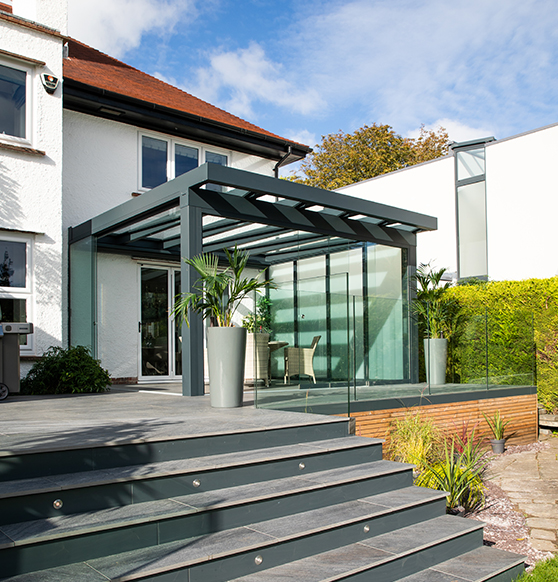
Many aluminium structures are paired with a glass patio canopy, which adds another layer of durability.
High-quality toughened or laminated glass offers:
- Long-term UV resistance
- Minimal discolouration
- Excellent impact strength
- Easy cleaning
Unlike plastic alternatives, glass won’t turn cloudy or brittle over time.
When integrated into aluminium verandas, the combined system becomes exceptionally resilient — both structurally and aesthetically.
Longevity in Real Terms: What 30–50 Years Means
Thirty years isn’t just a number. It represents:
- Decades of family gatherings
- Protected outdoor dining
- Shelter for garden furniture
- Increased property usability
- Enhanced home value
A well-designed veranda becomes a permanent architectural feature — not a temporary garden accessory.
Many homeowners who later add features like sliding glass walls or lighting upgrades find their structure easily accommodates enhancements without compromising stability.
Extending the Lifespan Even Further
If you want to maximize durability, follow a few straightforward guidelines.
1. Keep Gutters Clear
Blocked drainage can cause water pooling, which places unnecessary strain on joints and fixings.
2. Clean Twice a Year
A mild soap solution and soft brush will remove debris and prevent buildup.
3. Inspect Fixings Annually
Quick visual checks help spot minor issues before they escalate.
4. Choose Quality at the Start
The difference between a budget import and a precision-engineered aluminium veranda often becomes visible after year five — not year one.
Investing wisely upfront typically avoids costly replacements later.
Aluminium Verandas and Garden Sun Rooms
For homeowners wanting even greater weather protection, many verandas evolve into enclosed spaces.
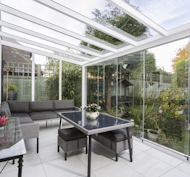
A garden sun room built onto an aluminium framework can deliver:
- Year-round usability
- Shelter from wind and rain
- Improved energy efficiency
- Enhanced property appeal
Because aluminium structures are so durable, they provide an ideal base for glass enclosures and sliding door systems.
The longevity of the frame ensures the extended system remains structurally sound for decades.
Do Aluminium Verandas Add Property Value?
In short: yes.
Buyers increasingly value functional outdoor living space. A professionally installed aluminium veranda or garden sun room signals:
- Low maintenance
- Modern design
- Long-term durability
- Expanded usable square footage
While precise valuation increases vary, estate agents consistently report that quality outdoor installations improve saleability.
Durability plays a major role here. Prospective buyers want reassurance that what they see today will still look good in ten years.
Are Aluminium Verandas Sustainable?
Durability and sustainability go hand in hand.
Aluminium is:
- 100% recyclable
- Long-lasting (reducing material turnover)
- Low maintenance (minimising chemical treatments)
Because aluminium verandas don’t require regular repainting or wood preservatives, their environmental impact over time is relatively low compared to timber alternatives.
Longevity itself is a sustainability feature.
Common Misconceptions About Aluminium
Let’s clear up a few myths.
“Aluminium looks cold and industrial.”
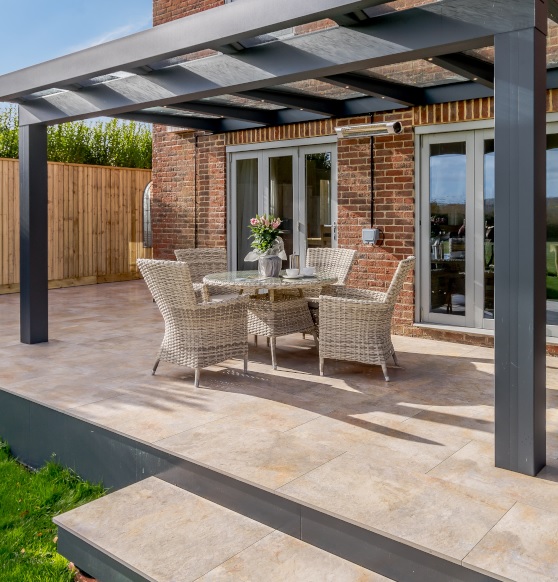
Modern powder-coated finishes offer warm tones, textured finishes, and sleek minimalist profiles that complement both traditional and contemporary homes.
“It’s lightweight, so it must be weak.”
Aluminium’s strength-to-weight ratio is one of its greatest advantages. Lightweight doesn’t mean fragile — it means efficient.
“It requires constant upkeep.”
In reality, aluminium verandas are among the lowest-maintenance outdoor structures available today.
Why Professional Design Matters
Longevity isn’t just about materials — it’s about engineering.
Load calculations, drainage design, expansion tolerances, and fixing methods all influence how long a structure lasts.
Experienced installers consider:
- Wind exposure
- Roof span
- Property attachment method
- Ground stability
- Water management
That’s where established UK specialists make a difference. Companies like SunSpaces focus specifically on durable aluminium systems designed for British conditions — not generic imports unsuited to local weather patterns.
The Bottom Line
So, how long do aluminium verandas last?
With proper installation and minimal maintenance, 30 to 50 years — often longer.
They outperform timber in longevity.
They resist corrosion better than steel.
They require very little upkeep.
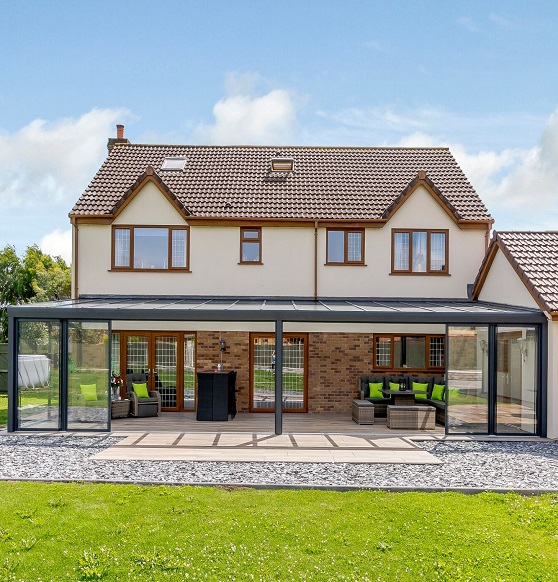
They integrate seamlessly with features like a glass patio canopy or full garden sun room enclosure.
Most importantly, they offer lasting value.
If you’re considering upgrading your outdoor space with modern outdoor verandas, aluminium isn’t just a fashionable choice — it’s a long-term investment.
And when designed and installed correctly, it becomes part of your home’s architecture for decades to come.
Considering an Aluminium Veranda?
Whether you’re exploring a sleek open canopy or planning a fully enclosed garden sun room, working with experienced specialists ensures you get maximum durability from day one.
Because when it comes to outdoor structures, lifespan isn’t just a detail — it’s the difference between a short-term feature and a lasting extension of your home.